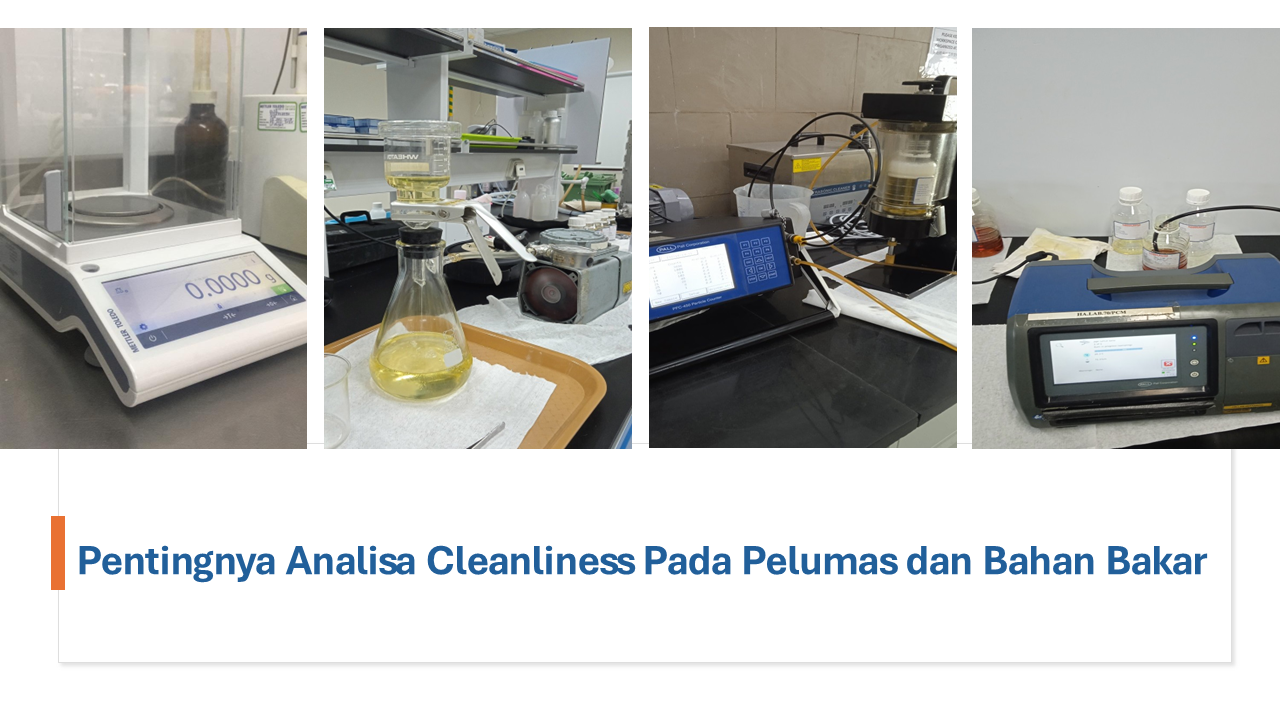
Lubricants and fuels are two key elements in maintaining engine performance. However, the cleanliness of these two components is often overlooked in daily operation. Contamination in oil can cause particle deposits that damage engine parts, while contaminated fuel can affect efficient combustion. Therefore, maintaining the cleanliness of lubricants and fuels is crucial for optimizing engine performance and preventing long-term problems. Several methods have been developed for cleanliness analysis, including:
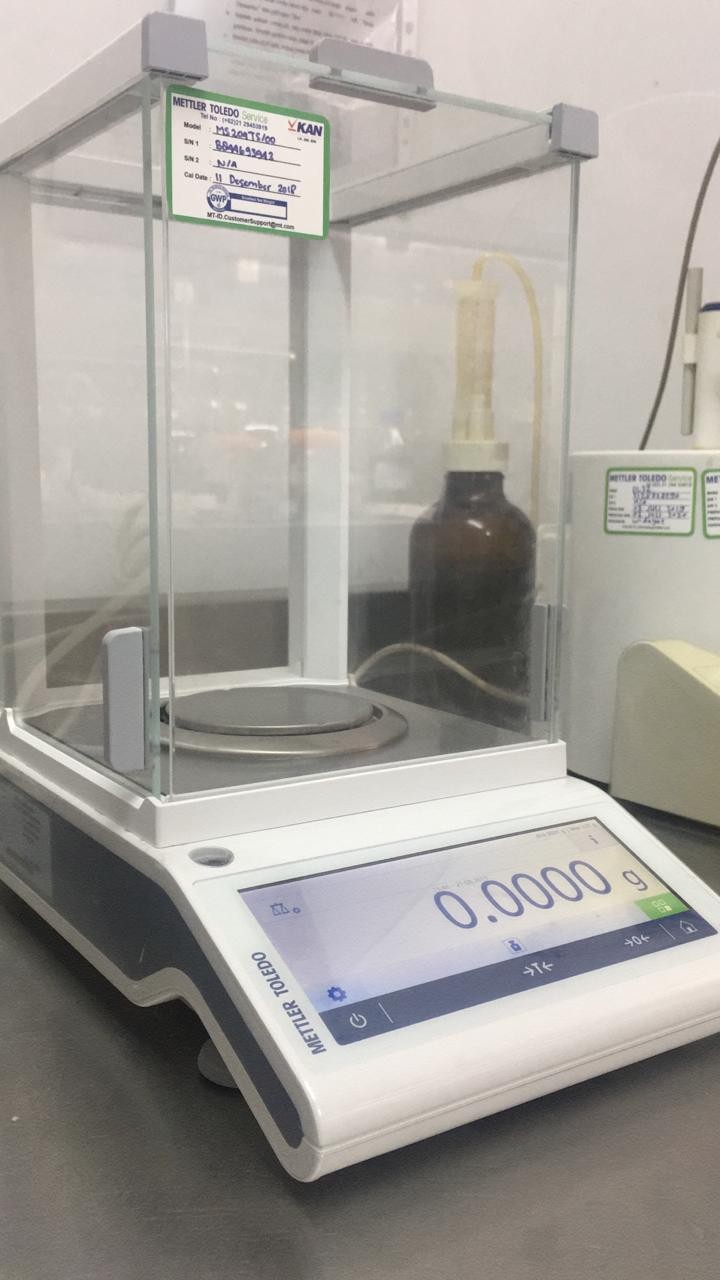
1. Gravimetry (ISO 4405:1991 Hydraulic fluid power -- Fluid contamination -- Determination of particulate contamination by the gravimetric method)
• Identifies the total mass of contaminants
• Cannot differentiate particle size
• Not suitable for clean lubricants
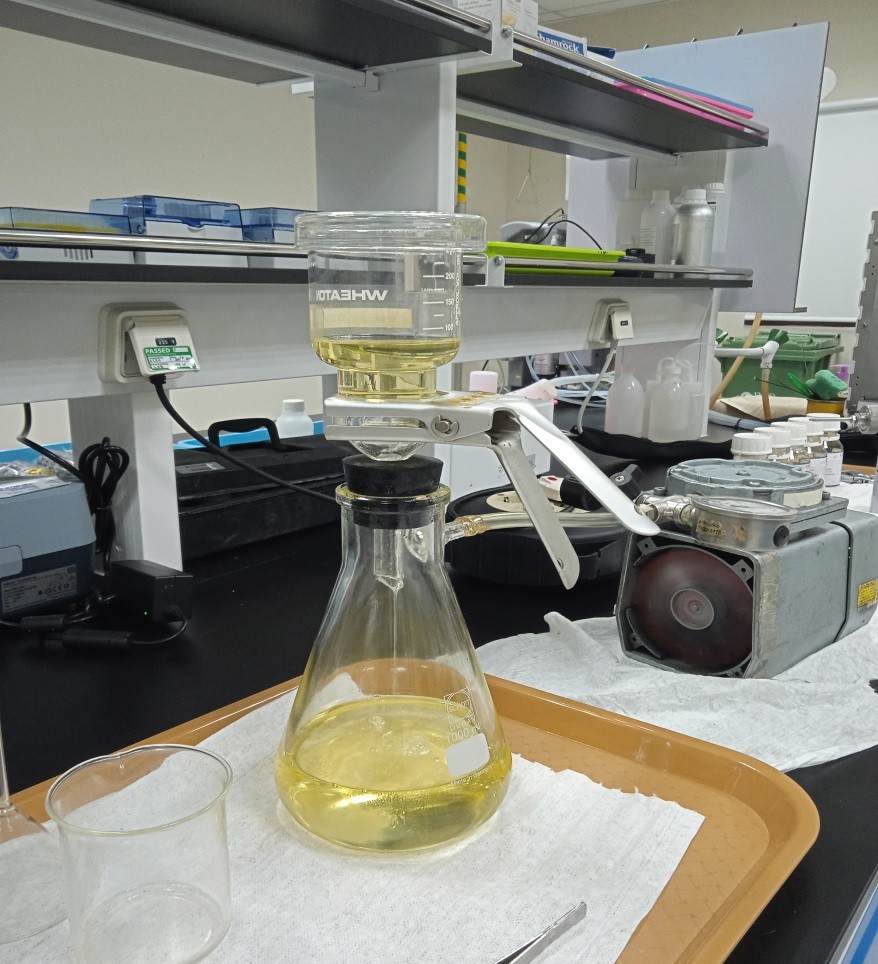
2. Optical Microscope (ISO 4407:2002 Hydraulic fluid power -- Fluid contamination -- Determination of particulate contamination by the counting method using an optical microscope)
• Sample preparation: controlled environment (ISO class 5 or better)

• Visual particle identification
• Statistical calculations based on ISO 4407:2002
• Resolution & accuracy: optical microscope system used & analyst capabilities
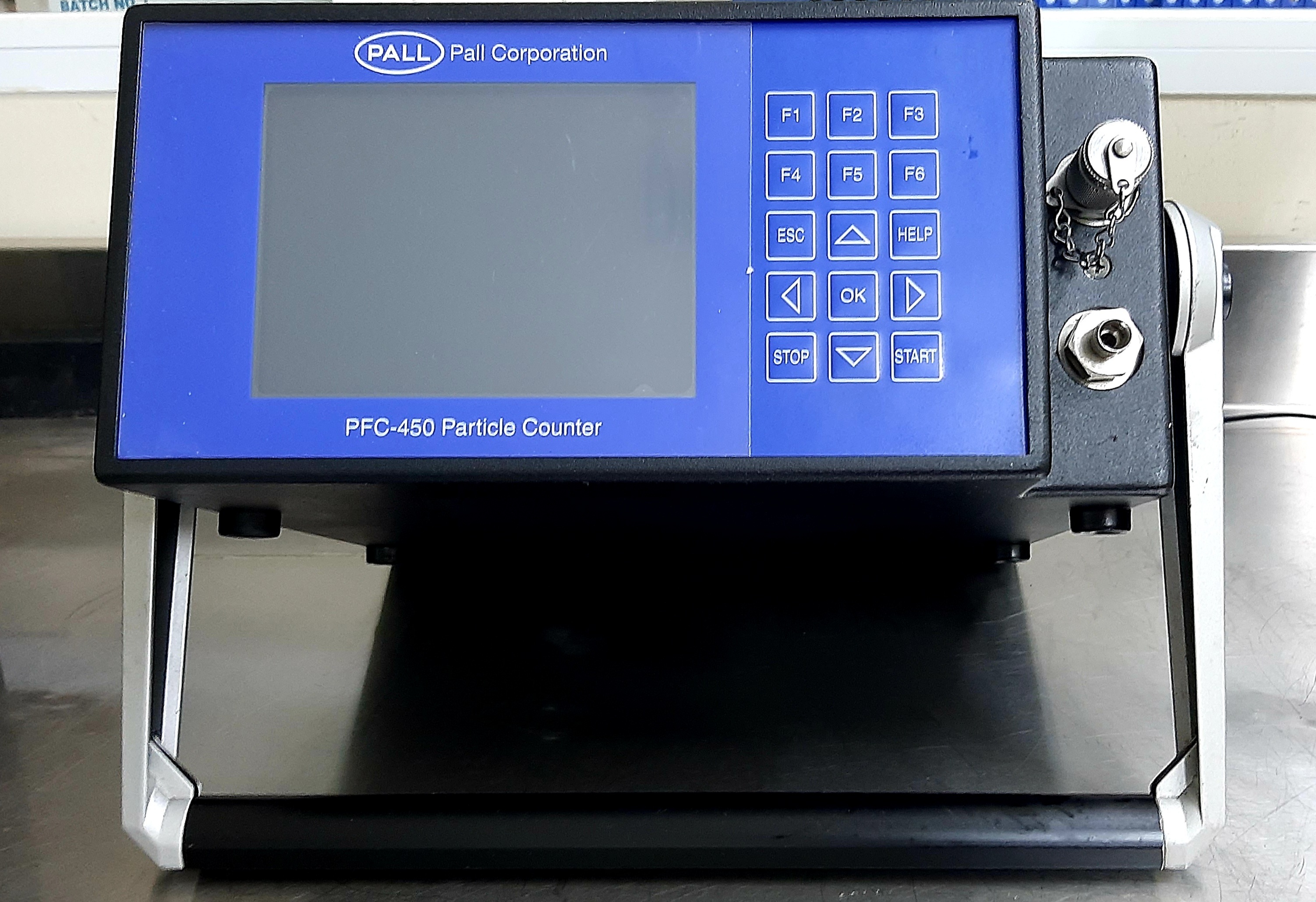
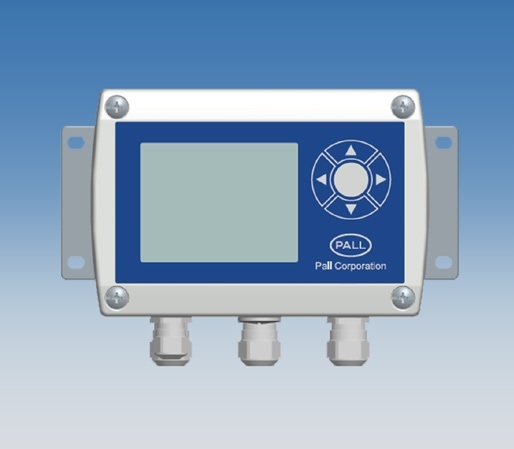
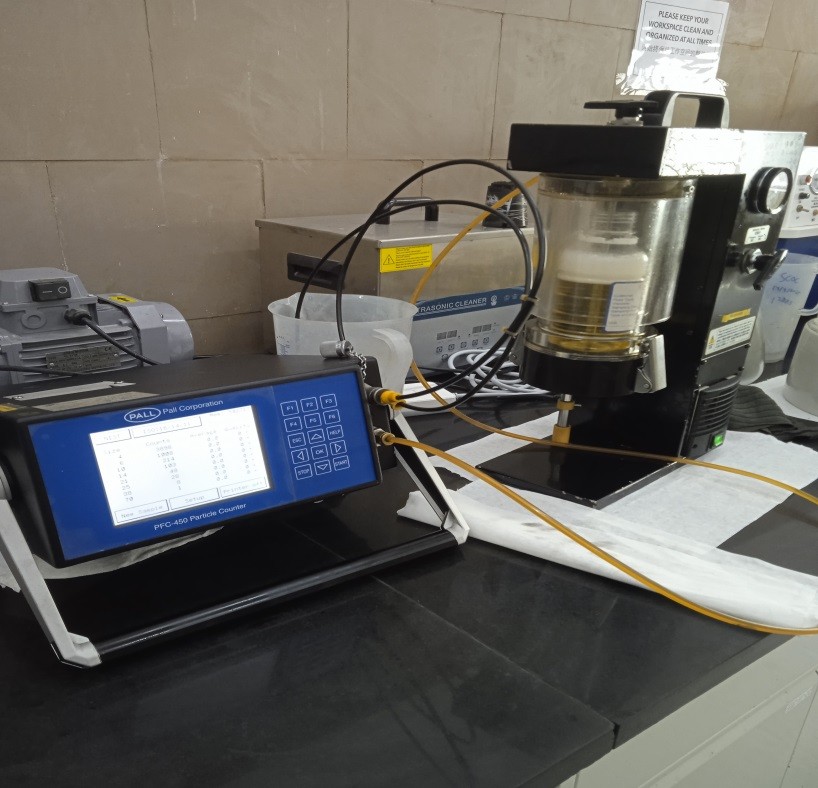
3. Automatic Particle Counting (ISO 11500:08 Hydraulic fluid power - determination of the particulate contamination level of a liquid sample by automatic particle counting using the light extinction principle)
Principle: Light Extinction: Reduction in the intensity of light passing through a sample volume caused by the interaction of light with individual particles.

- Measurement results can be printed directly.
- Measurement results can be based on ISO 4406, SAE AS4059E Table 1 (NAS 1638), and SAE AS4059E Table 2 classes.
- Memory capacity of over 4,000 measurements.
- Operation can be performed at low and high pressures.
Low pressure (Clear Hose) 0-7 bar (100 psi).
High pressure (Black Hose) 4-420 bar (6,000 psi).
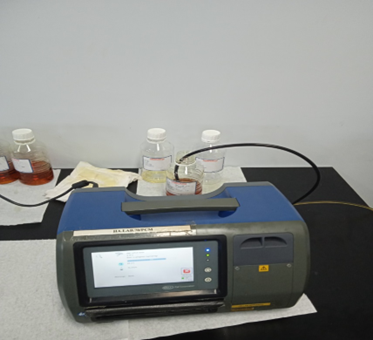
4. Filter Blockage (ISO 21018-3 Hydraulic fluid power - Monitoring the level of particulate contamination of the fluid - Part 3: Use of the filter blockage technique)
• Online & on-site testing
• Unaffected by dark-colored samples, high water content, and air bubbles

• Cannot provide particle size distribution
Lubricant and fuel cleanliness are essential for maintaining optimal engine performance and extending its lifespan. Through regular cleanliness analysis, we can detect contaminants that can damage the engine and affect its efficiency. In the long run, investing in this analysis will yield significant benefits in terms of cost savings, engine reliability, and a lower environmental impact.
By maintaining clean lubricants and fuel, we not only protect the engine but also increase overall productivity and efficiency. So, don't underestimate the importance of lubricating and fuel system cleanliness—it's key to optimal engine performance.
Reference :
• ISO 4407: 2002 (Hydraulic fluid power-Fluid contamination-Determination of particulate contamination by the counting method using an optical microscope)
• ISO 21018-3:08 (Hydraulic fluid power-Monitoring the level of particulate contamination of the fluid- Part 3. Use of the filter blockage technique
• ISO 11500:2008 (Hydraulic fluid power-Determination of the particulate contamination level of a liquid sample by automatic particle counting using the light extinction principle)